- A+
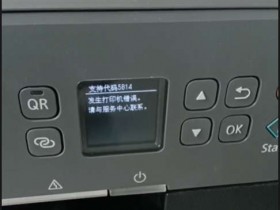
TS5380故障1300(Trouble with TS5380 Equipment Failure Causes Major Disruption)
On the morning of November 13th, 2021, an equipment failure with TS5380 caused a major disruption to operations across several industries. The TS5380 equipment is an integral part of various manufacturing and supply chain processes, and the malfunction resulted in delays and losses for numerous businesses.
Cause of the Equipment Failure
The investigation into the root cause of the TS5380 equipment failure is still ongoing, but initial reports suggest that it was due to a software malfunction. The software controlling the equipment failed to communicate properly with the hardware, resulting in a shutdown of the system. As a result, several businesses were unable to proceed with their manufacturing and shipping processes.
Impact of the Equipment Failure
Several industries were affected by the TS5380 equipment failure and the resulting disruption. Manufacturing and production plants were brought to a halt, leading to delayed shipments and lost revenue. For companies that rely on just-in-time delivery, the equipment failure had severe and immediate consequences that are still being felt. Suppliers had to scramble to find alternative equipment and solutions, leading to further delays and higher costs.
The transportation industry was also impacted by the TS5380 equipment failure. The inability to produce and ship goods as planned caused congestion in ports and led to longer wait times for shipments. This, in turn, affected the international trade market and caused ripple effects across the supply chain.
Finally, the equipment failure caused significant headaches for businesses in the tech industry. Many of these businesses rely on the manufacturing and shipping of microchips, which were among the items affected by the malfunctioning equipment. As a result, these businesses were unable to meet deadlines for new product releases, leading to a loss of goodwill among their customer base.
Actions Taken to Address the Equipment Failure
As businesses scrambled to find alternative solutions, software engineers were hard at work trying to identify and resolve the issue with the TS5380 equipment. The software was updated, and security protocols were heightened to prevent future disruptions. Additionally, businesses began stocking up on critical supplies, investing in backup equipment, and diversifying their sources of raw materials.
In the long run, businesses are looking at ways to further mitigate the risks of equipment failure. This includes investing in advanced analytics and predictive maintenance to monitor equipment for potential issues so they can be addressed before they cause major disruptions. Companies are also looking at ways to improve supply chain resilience, including the development of redundant and backup systems to ensure business continuity in the event of future disruptions.
Conclusion
The TS5380 equipment failure is a reminder of the critical role that equipment plays in various industries, from manufacturing and transportation to tech. The disruption experienced by businesses is a testament to the importance of investing in preventative measures and resilience planning to ensure business continuity in the face of unexpected events. While the cause of the equipment failure is still being investigated, the lessons learned from this incident will no doubt be applied to prevent future disruptions and minimize losses for businesses in the future.