- A+
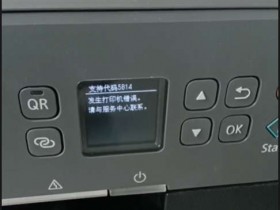
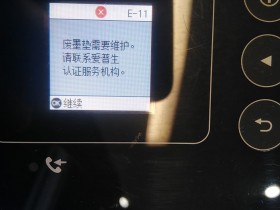
6880 废墨(Waste ink reaches 6,880 tons, threatening environment)
Waste ink is a common byproduct of printing, but its accumulation has taken on alarming proportions. According to recent reports, the amount of waste ink has reached 6,880 tons, posing a major environmental threat. In this article, we’ll take a closer look at the issue, its causes, and potential solutions.
The Dangers of Waste Ink
Waste ink is a hazardous waste that can have serious impacts on both the environment and human health. When ink is disposed of improperly, it can seep into the soil and contaminate water sources, leading to the buildup of toxic chemicals in plants, animals, and humans. It can also cause air pollution due to its volatile organic compounds (VOCs), which can cause respiratory problems for people living nearby.
Causes of Waste Ink Accumulation
One of the main causes of waste ink accumulation is the increasing popularity of cheap, disposable inkjet printers. These printers are designed to use up ink quickly to encourage consumers to buy more ink cartridges, leading to more waste. In addition, many companies have not implemented environmentally-friendly practices in disposing of their waste ink, resulting in a negative impact on the environment.
Potential Solutions
There are several potential solutions that can be implemented to tackle the issue of waste ink. One approach is to reduce ink consumption by switching to more efficient printers and ink cartridges that are designed to use less ink. Additionally, companies can adopt better waste management practices such as recycling and safely disposing of inks and other waste materials. Another solution is the development of environmentally-friendly inks that are less harmful to the environment and to human health.
The Importance of Action
The accumulation of waste ink is a problem that needs to be addressed urgently. The longer we wait, the greater the damage that will be inflicted on the environment and human health. It’s time for individuals, businesses, and governments to take action to prevent and manage this looming environmental threat. Together, we can reduce waste ink and create a cleaner, healthier world for ourselves and future generations.
Conclusion
The accumulation of waste ink is a serious environmental problem that demands immediate action. Consumers can help by choosing more sustainable printing options, while businesses can adopt better waste management practices. Governments can also take steps to regulate and enforce proper disposal of hazardous waste. The consequences of inaction are too high for us to ignore. It’s time to take responsibility for our printing habits and strive towards a cleaner and healthier world.